Episode Summary
Discover a practical, no-nonsense approach to hand and wrist assessment that starts with the basics—range of motion, strength, endurance, and smart clinical reasoning. Learn how to build clear rehab plans, avoid getting lost in pathology, and connect local findings to the whole person and their sport.
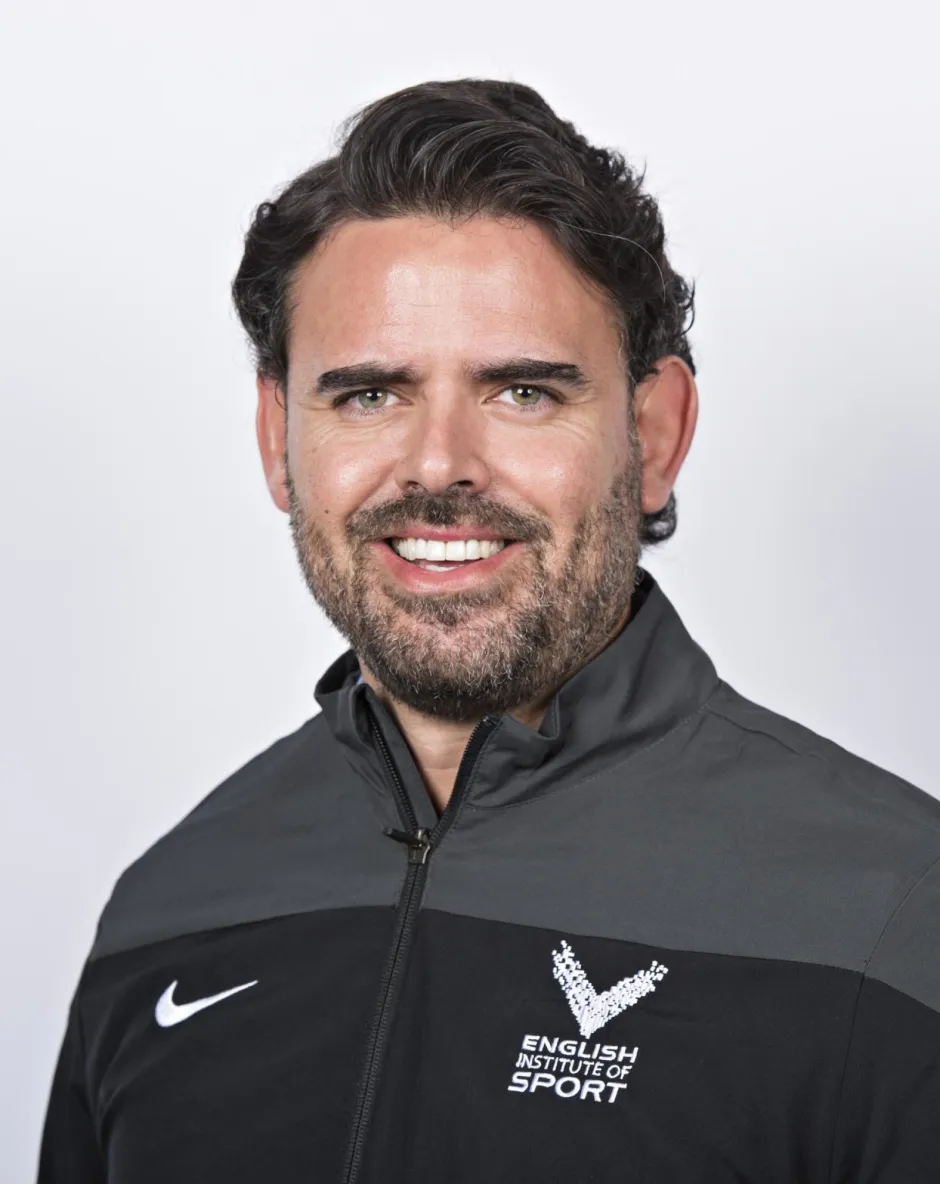
Ian Gatt explains a practical approach to assessing and managing hand and wrist problems, drawing on his experience as lead physiotherapist for GB Boxing and head of performance services. He describes why upper-limb injuries, especially in boxing, require both solid biomechanical understanding and collaboration with a wider multidisciplinary team.
A central theme is getting the basics right before moving to complex explanations. Learners can expect clear guidance on using simple, reliable objective measures such as range of motion, grip strength, endurance, and load tolerance, while also linking findings to the athlete’s sport, training demands, and overall context. He emphasizes clinical reasoning, choosing tests that answer a specific question, and avoiding unnecessary assessment.
The discussion also covers return-to-sport decisions after distal radius and scaphoid fractures, including loading progressions, use of surgery-related timelines, gradual exposure to impact, and monitoring symptoms alongside objective data. Other key points include planning rehabilitation in advance, being honest with patients, adapting exercises to function, and balancing local tissue assessment with the wider biopsychosocial picture.