🍪 We use cookies
We use cookies to enhance your experience, analyze site traffic, and for marketing purposes. By clicking "Accept All", you consent to our use of cookies. Read our Privacy Policy


Mike is a physiotherapist and visiting university lecturer with twenty years of experience managing complex, persistent pain conditions. In addition, he is a dedicated practice-based educator committed to providing evidence-based education to a wide variety of health professionals. His Know Pain workshops have provided clinicians around the world with practical pain education skills.
In this course you will learn the skills you need to communicate modern pain education to your patients. We have all had patients say to us ” So you think its all in my head?” , ”Are you saying my pain is not real”?
In this practically oriented course you will learn how to deal with this challenge of explaining and treating prolonged levels of pain where tissue based cause is lacking.
Discover a powerful mental exercise that shows why rushing to escape pain and distress can leave you feeling stuck, discouraged, and hurt again. Learn how small, steady steps can build confidence, reduce overwhelm, and guide you toward real progress.
Discover a practical, patient-centered approach to pain that moves beyond quick fixes and outdated beliefs. Learn how better communication, powerful metaphors, and simple teaching strategies can help people truly understand pain, reduce fear, and create meaningful change.
Pain isn’t a simple signal from injured tissues—it’s the brain’s interpretation of many competing messages. Through striking real-life examples and practical clinical insights, learners discover why injury and pain don’t always match, and how better communication can transform understanding.
Learn a more human way to talk about pain that helps people feel believed, understood, and involved. Through powerful stories and practical examples, you’ll discover how shared experiences, careful language, and real connection can transform difficult conversations.
Learn how to spot and explore patients’ metaphors to unlock more meaningful conversations and practical solutions in physiotherapy. You’ll also discover how experiential learning—through doing, feeling, watching, and thinking—can help patients move beyond treatment hunting and create lasting change.
Explore how people often treat pain like an attacking enemy—and why fighting harder can keep them stuck. Through playful role play and vivid metaphors, learners discover new ways to shift fear, rethink pain, and open the door to meaningful change.
Discover simple, relatable ways to explain protective muscle spasm and pain sensitivity, using everyday examples like a parent pulling a child from danger. Learn how the brain and body work together as a protective system, and how these metaphors can help patients make sense of their symptoms.
Chronic pain can feel even harder when others doubt what you’re going through. Discover a powerful, simple way to understand why pain is real, how attention can change what your body feels, and how that insight can help you feel seen, believed, and less alone.
Discover how pain is shaped by perceived threat, context, and expectation—not just injury itself. Through striking examples and simple stories, learners see why understanding fear, beliefs, and the right rehabilitation approach can transform recovery.
Discover how pain can spiral through fear, avoidance, and misunderstanding—and why education, reassurance, and meaningful movement can help people regain control. You’ll learn practical ways to challenge unhelpful beliefs, build confidence, and support recovery with empathy and clarity.
Discover why pain can persist long after an injury has healed, and how your brain, nervous system, and sense of threat shape what you feel. Through simple, relatable examples, you’ll see how context can amplify or reduce pain in powerful ways.
Discover how a simple “too much on my plate” metaphor can turn overwhelm into practical action. Learners will see how playful questioning helps identify small, realistic ways to reduce pressure, make time, and build helpful daily habits.
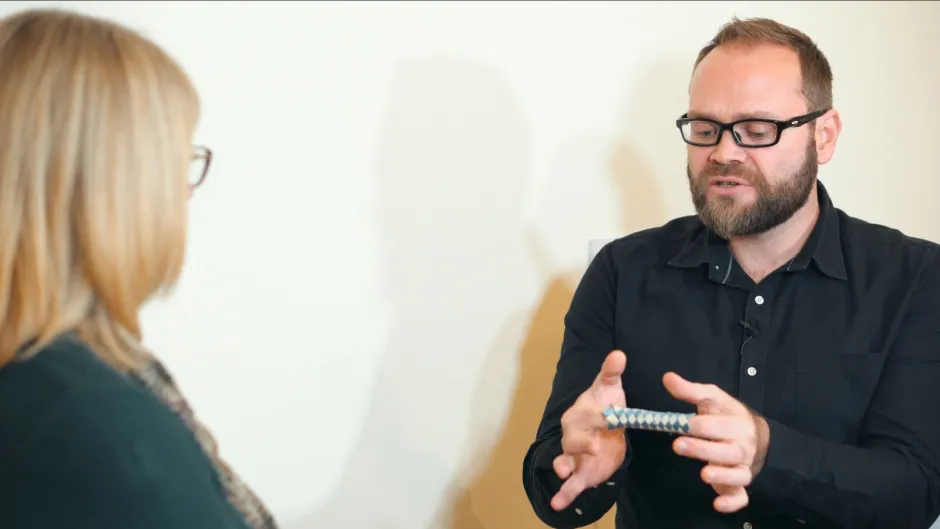
When pain becomes overwhelming, constantly chasing new fixes can leave you feeling more trapped and frustrated. Through a simple hands-on experiment, learners discover why fighting harder often backfires—and how understanding pain, relaxing, and trying a different approach can open the way forward.
Discover how pain, IBS, and stress can be connected through the nervous system, and why symptoms may spread when the body feels under constant pressure. Using a simple “boss and departments” analogy, you’ll learn how movement and rebuilding confidence can help calm pain and restore function.
Learn why pain and stiffness after doing too much aren’t always signs of damage, but often your body’s way of trying to protect you. Discover how a gradual, “to it, not through it” approach can help you stay active with more confidence and less fear.
Discover why great clinical communication starts with listening, not lecturing. Learn practical ways to uncover patients’ own words, metaphors, and motivations to build trust, strengthen therapeutic alliance, and create more meaningful, effective care.
Mike is a physiotherapist and visiting university lecturer with twenty years of experience managing complex, persistent pain conditions. In addition, he is a dedicated practice-based educator committed to providing evidence-based education to a wide variety of health professionals. His Know Pain workshops have provided clinicians around the world with practical pain education skills.
In this course you will learn the skills you need to communicate modern pain education to your patients. We have all had patients say to us ” So you think its all in my head?” , ”Are you saying my pain is not real”?
In this practically oriented course you will learn how to deal with this challenge of explaining and treating prolonged levels of pain where tissue based cause is lacking.
We usually answer within a minute.
Ask anything about your membership, certificates or what is in the library.
No comments yet…