TrustMe - Ed TrustMe - Ed

Sign up to watch this episode

This masterclass episode is for members. Create an account or choose a membership to continue watching.
Next episode
Share this episode
Comments

What We Do and Don't Know About Exercise for Pain

Episode
1 of 4
Published
Jan 14th, 2018
Run time
18m 55s
Topic
A modern approach to movement and exercise.
Your instructor
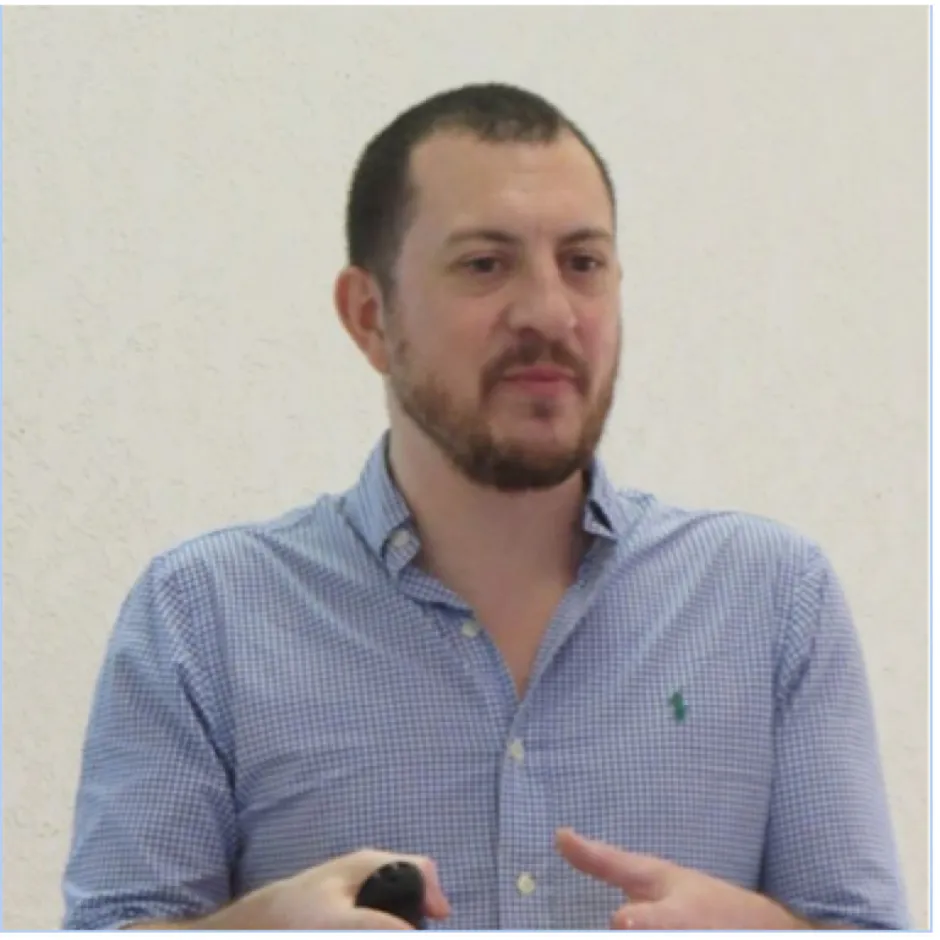
Ben Cormack
Ben Cormack
Ben Cormack owns and runs Cor-Kinetic. He is a musculoskeletal therapist with a clinical background in sports...

Episode summary

What is known and not known about how exercise helps pain, why the biopsychosocial balance differs from person to person, and why changes in strength or movement do not need to match changes in pain.

The speaker starts from an honest position: we do not know exactly how exercise reduces pain. Possible mechanisms range from biomechanical and physiological to cortical changes, and some effects may be non-specific, such as changes in beliefs, self-efficacy or locus of control. Findings about exercise in healthy people should not be assumed to apply to people in pain. Using a schematic from a BJSM paper, the lecture shows how one patient may have a mainly biological driver, such as a tendinopathy, another a social driver, such as exercise addiction behind a stress fracture, and a third a psychological driver rooted in beliefs. Pain models from Melzack, Moseley, Gifford and Lester Jones all show that input and output do not always correlate. Key points follow: there are many ways to use exercise, it is a process rather than a destination, and nothing measurable needs to change for pain to change. Research on transversus abdominis timing and low back pain illustrates this. Adherence matters most, since about half of people do not do their prescribed exercises.
Up next

A Reasoning Model for Choosing Exercise for the Individual

Starting next episode automatically…

Browse
Masterclasses
Patient Case Studies
Research Reviews
Speakers
Free episodes
Learn
Watchlist
Help
No results found
↑↓ navigate ↵ open esc close Searching…