🍪 We use cookies
We use cookies to enhance your experience, analyze site traffic, and for marketing purposes. By clicking "Accept All", you consent to our use of cookies. Read our Privacy Policy


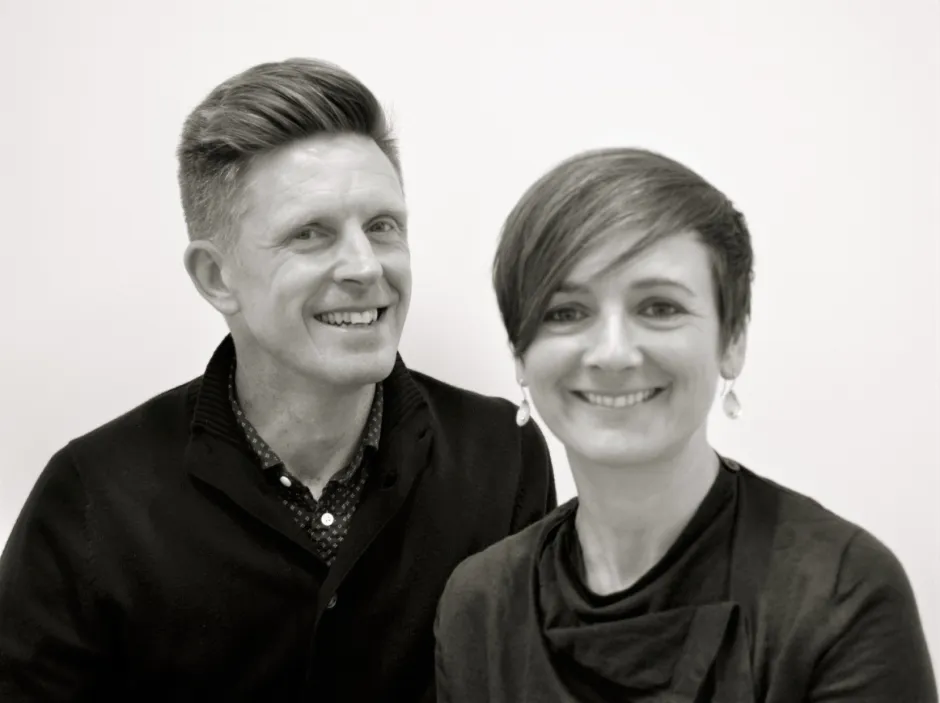
Dr Niamh Moloney (PhD, MManipTh, BPhysio) is a Musculoskeletal Physiotherapist who combines 20 years of clinical and academic experience. Her research focuses on assessment of complex pain states. She practices clinically and has over 10 years experience teaching pre and post graduate physiotherapists.
Dr Martin Rabey (PhD, FACP, MManipThe, BSc(Hons)Physio) is a Specialist Musculoskeletal Physiotherapist (as awarded by the Australian College of Physiotherapists in 2009). He combines daily clinical practice with ongoing research into the multidimensional nature of persistent pain. He has taught pain neurophysiology to postgraduate clinicians since 2001.
Discover how pain is shaped by far more than injured tissues alone, through a biopsychosocial model that links nerves, brain processes, emotions, lifestyle, and recovery. Learn how these mechanisms influence assessment, clinical reasoning, and care for back pain and other musculoskeletal conditions.
Discover a practical, patient-friendly way to understand low back pain by connecting movement habits, stress, mood, and fatigue. You’ll see how changing the way you bend and lift can ease discomfort while building a broader plan for lasting improvement.
Discover why low back pain can look completely different from one person to the next, even when symptoms seem similar. Learn how pain sensitivity, psychology, movement patterns, and lifestyle combine to shape truly individualized assessment and treatment.
Learn how to assess peripheral and central sensitization with practical clinical tests, from allodynia and mechanical hyperalgesia to pressure pain sensitivity and cold hyperalgesia. You’ll see how to choose relevant measures, compare affected and unaffected areas, and interpret signs of localized versus widespread sensitivity.
Discover why most low back pain treatments produce only modest results, and how a multidimensional approach may lead to better outcomes. Learn how cognition, movement, stress, pain education, exercise, and manual therapy can work together to create more effective, individualized care.
Discover how pain science, movement, stress, beliefs, and lifestyle factors come together to shape low back pain and recovery. Learn practical, psychologically informed strategies to reduce fear, build confidence, and help people move with more control and less pain. Martin Rabey and Niamh Moloney answer questions in this Q&A webinar.
Dr Niamh Moloney (PhD, MManipTh, BPhysio) is a Musculoskeletal Physiotherapist who combines 20 years of clinical and academic experience. Her research focuses on assessment of complex pain states. She practices clinically and has over 10 years experience teaching pre and post graduate physiotherapists.
Dr Martin Rabey (PhD, FACP, MManipThe, BSc(Hons)Physio) is a Specialist Musculoskeletal Physiotherapist (as awarded by the Australian College of Physiotherapists in 2009). He combines daily clinical practice with ongoing research into the multidimensional nature of persistent pain. He has taught pain neurophysiology to postgraduate clinicians since 2001.
We usually answer within a minute.
Ask anything about your membership, certificates or what is in the library.
No comments yet…