TrustMe - Ed TrustMe - Ed

Sign up to watch this episode

This masterclass episode is for members. Create an account or choose a membership to continue watching.
Previous episode
Share this episode
Comments

Scapular and Thoracic Motion and Rehabilitating the Shoulder Girdle

Episode
2 of 2
Published
Jan 13th, 2024
Run time
17m 6s
Topic
Management of the Shoulder Girdle
Your instructor
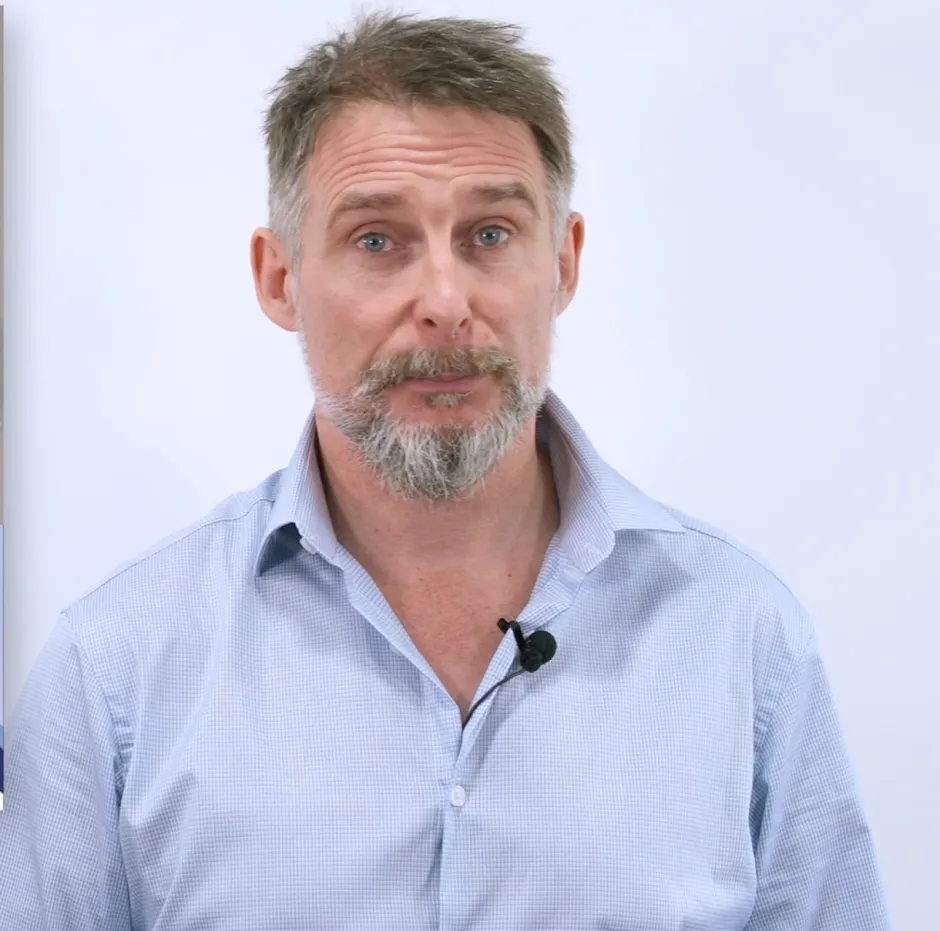
Ian Horsley
Ian Horsley
Ian Horsley is the Technical lead Physiotherapist or the English Institute of Sport. He has done his Phd on ho...

Episode summary

How scapular and thoracic motion support shoulder elevation, which postural, breathing and muscular factors limit clavicular movement, and a staged rehabilitation progression from posture to multiplanar and functional loading.

During elevation the scapula upwardly rotates, externally rotates and tilts posteriorly to keep the subacromial space open, and this depends on thoracic extension and ipsilateral rotation. Ian notes that no muscles act directly on the sternoclavicular joint: posterior rotation of the clavicle comes from the conoid and trapezoid ligaments, while subclavius must be able to lengthen. Forward head posture, apical breathing, gym training that overdevelops the pectorals and tight anterior and middle scalenes raising the first rib can all block clavicular motion. Rehabilitation follows a published AC joint progression. It starts with posture, aiming for the diaphragm and pelvic diaphragm to sit parallel, then kinetic chain exercises such as the lawn mower and low row, wall slides and foam roller work for upward rotation, and prone elevation cued as an arc to avoid recruiting levator scapulae. Later stages add multiplanar PNF patterns, long lever work and functional tasks such as band-resisted press ups, early plyometrics and a tornado ball to test kinetic chain coordination.
Browse
Masterclasses
Patient Case Studies
Research Reviews
Speakers
Free episodes
Learn
Watchlist
Help
No results found
↑↓ navigate ↵ open esc close Searching…

