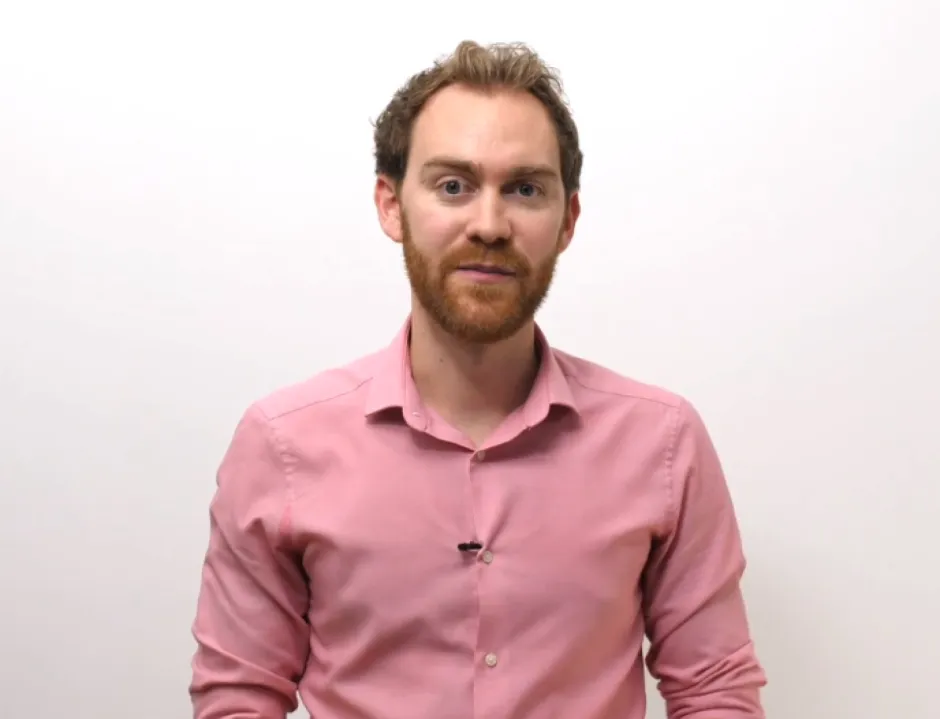
Episode Summary
Join expert physiotherapist Andrew Cuff as he breaks down practical, evidence-based approaches to shoulder pain, tennis elbow, and serious spinal pathology. Discover how prognosis, patient beliefs, imaging, and function-focused rehab shape better clinical decisions and more confident care.
A live Q&A with physiotherapist Andrew Cuff explores practical decision-making in musculoskeletal care, especially shoulder pain, elbow pain, and serious spinal pathology. He outlines his clinical and research background, then explains his PhD on why patients and clinicians seek imaging for back, shoulder, and knee pain, including how online health information shapes expectations.
Much of the discussion centers on prognosis, assessment, and treatment principles. Key themes include when imaging is appropriate, how to recognize possible spinal fracture, and why red flags must be interpreted in context rather than through isolated tests. Andrew also explains prognostic factors for tennis elbow, such as high baseline pain, long symptom duration, associated neck or shoulder pain, and inability to modify manual work.
Treatment advice emphasizes education, progressive loading, function-focused rehabilitation, and shared decision-making. He questions overreliance on passive treatments, routine scanning, and pathology-based labels, arguing that many musculoskeletal presentations respond to the same core principles. Additional topics include rotator cuff tears, calcific shoulder pain, manual therapy, taping, injections, instability, and how physiotherapists can better align shoulder and peripheral joint care with modern back pain management.