🍪 We use cookies
We use cookies to enhance your experience, analyze site traffic, and for marketing purposes. By clicking "Accept All", you consent to our use of cookies. Read our Privacy Policy


This masterclass episode is for members. Create an account or choose a membership to continue watching.
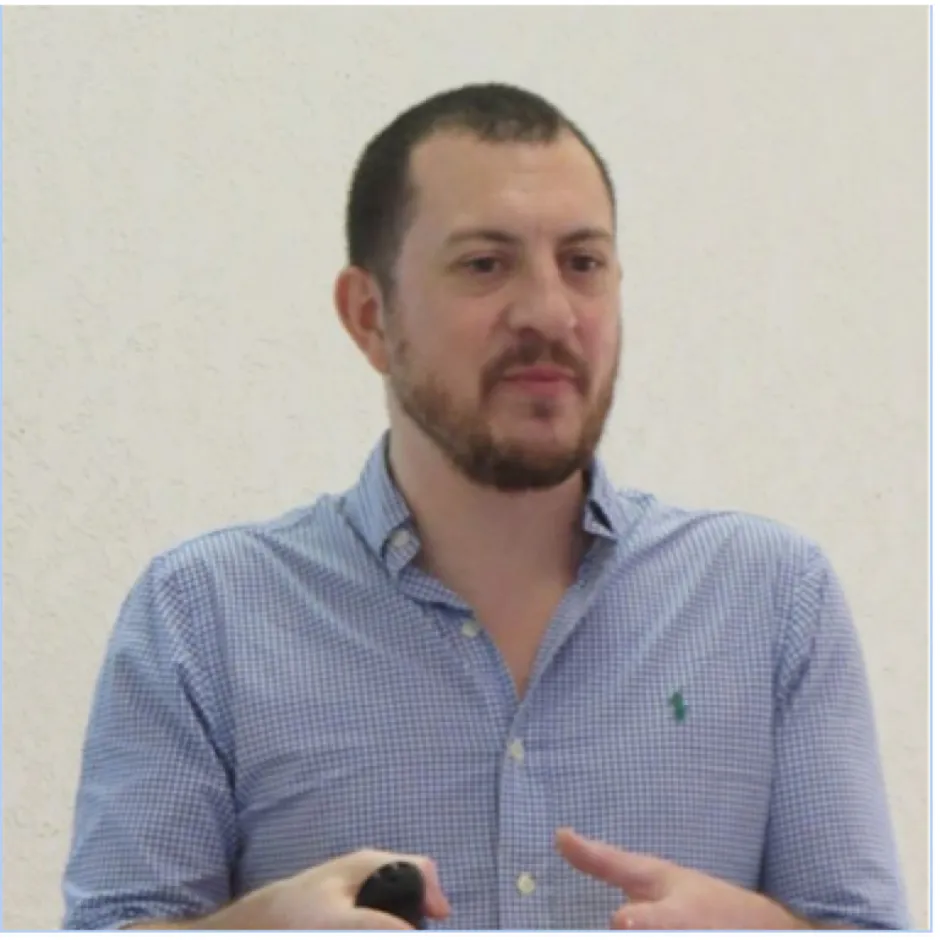
Explore whether the biopsychosocial model has been reduced to a buzzword and why its original purpose was never simply to explain pain or prescribe treatment. Discover a more human, person-centered way of thinking that asks better questions and puts care, context, and lived experience first.
Starting next episode automatically…
We usually answer within a minute.
Ask anything about your membership, certificates or what is in the library.